
How Heat Pumps turned the Radiator into a Design Statement
The switch to heat pumps is prompting a revolution in radiator design and today's most stylish models offer year-round comfort, cooling homes in summer as well as heating them in winter.
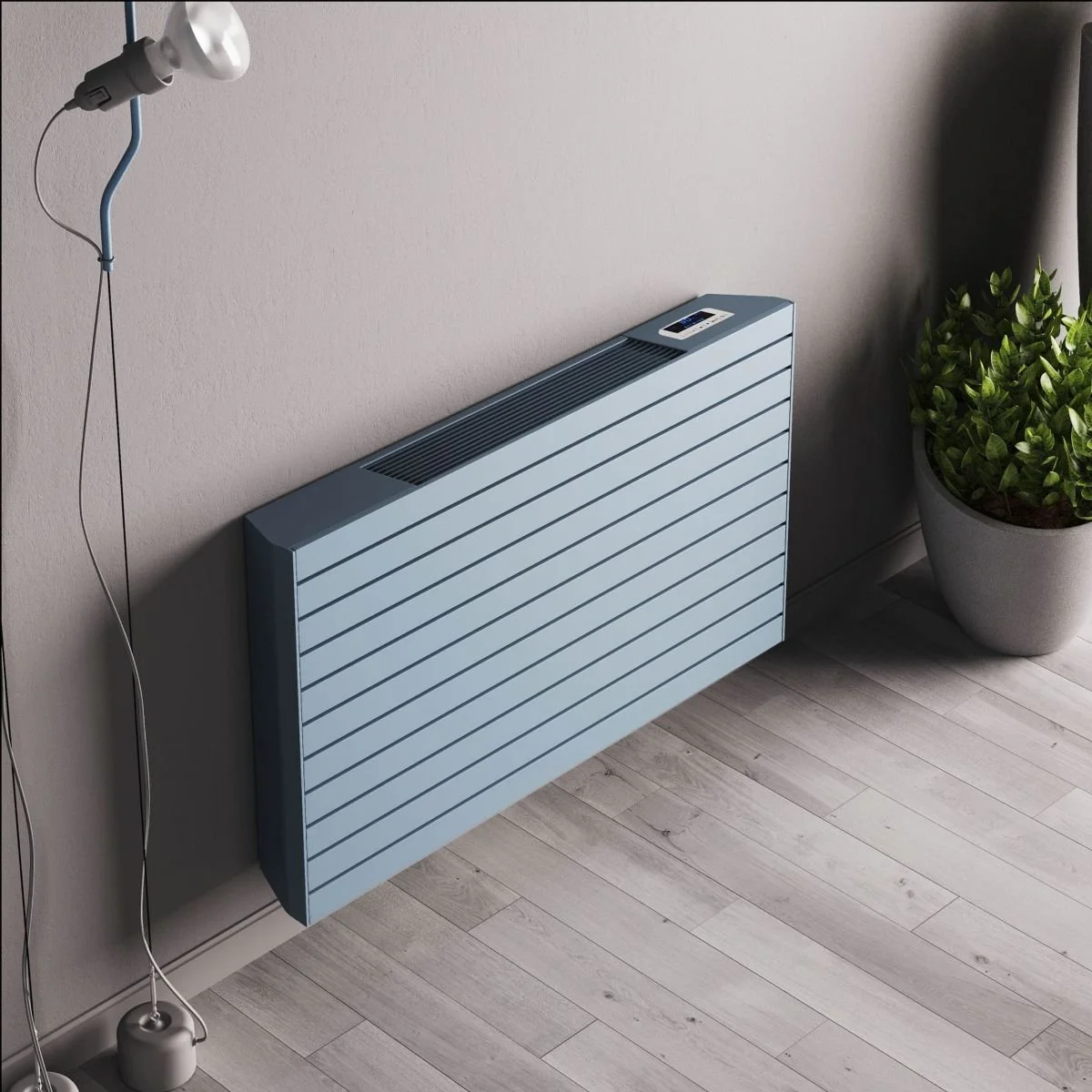
All images © The Radiator Centre
As more UK homeowners make the switch to a heat pump, many are discovering that their existing radiators may not be up to the job. Unlike gas boilers, which typically run at flow temperatures of 65-70°C, heat pumps operate at much lower temperatures, often between 35-50°C. While this is part of what makes them so efficient, it also means radiators designed for a hot boiler system may struggle to heat rooms to the same standard, leaving homeowners wondering why their new, efficient system doesn't feel as warm as their previous one.
While upgrading radiators may be necessary to get the best performance from a heat pump, today's latest models offer far more than improved compatibility. Many can also cool your home in summer, providing year-round comfort from a single, beautifully designed unit.
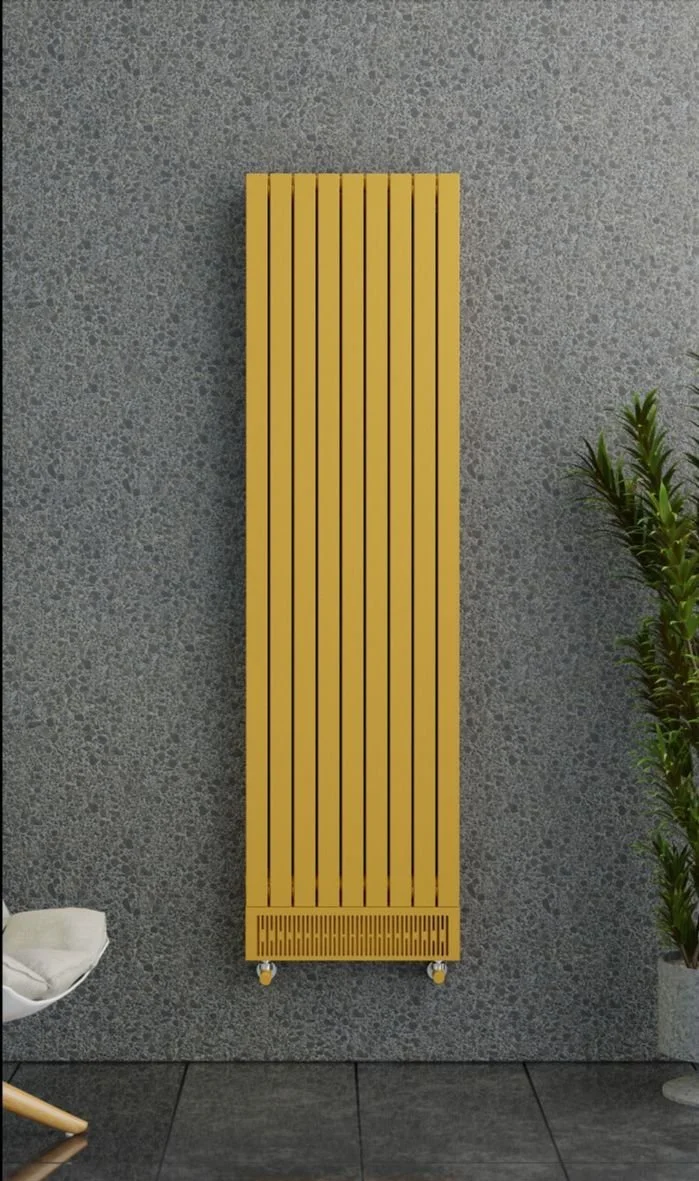
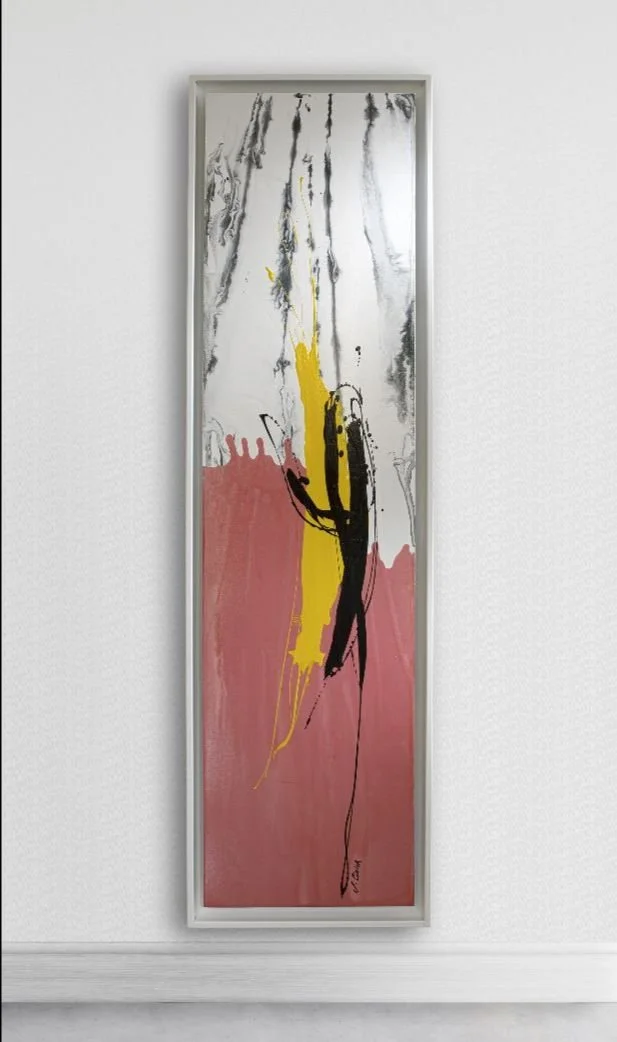
Nick Duggan, MD at The Radiator Centre explains, "Heat pumps work at lower temperatures than conventional boilers and as a consequence they heat a room more gently. Traditional radiators are designed for higher-temperature systems so may not work as effectively, leading to reduced heating efficiency. To compensate, you'll likely need either larger radiators than you currently have, or more energy efficient ones. The good news is that many of today's most efficient designs also cool your home in summer, so the upgrade pays dividends all year round."
What to Look For When Upgrading
For homeowners considering radiator changes alongside a heat pump installation, Nick advises on a few key factors that make all the difference.
1. Size matters more than ever. As heat pumps deliver heat more gently, radiators often need a larger surface area to deliver the same warmth as before. As a rough guide, standard radiators may need to be around 30% bigger than their boiler-system equivalents.
2. Material affects responsiveness. Aluminium radiators heat up and cool down quickly, making them well-suited to the steadier, lower-temperature output of a heat pump. They're also lightweight, easier to install and often made from recycled materials which is an added bonus for eco-conscious homeowners.
3. More panels, more output. Double or triple-panel designs increase surface area without necessarily taking up more wall space, making them a practical option where room layouts are tight.
4. Look to fan-assisted options for tricky spaces. For rooms where a larger radiator simply won't fit, fan-assisted models can boost heat output up to three times that of a conventional radiator from a smaller footprint.
5. Consider heating and cooling in one. Many of the latest heat pump-optimised radiators can reverse their function in warmer months to provide cooling as well as heat. It's a genuinely future-proof investment that may remove the need for separate air conditioning units entirely.
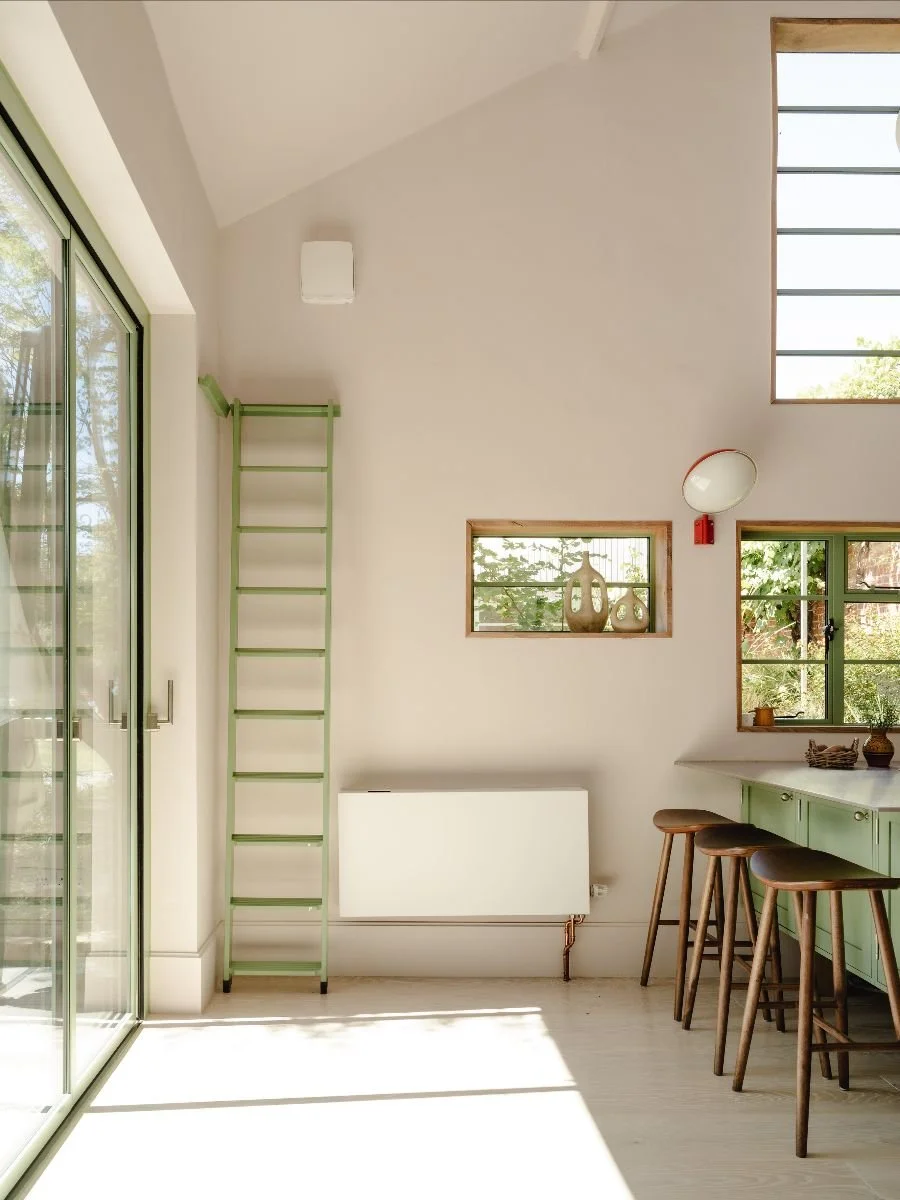
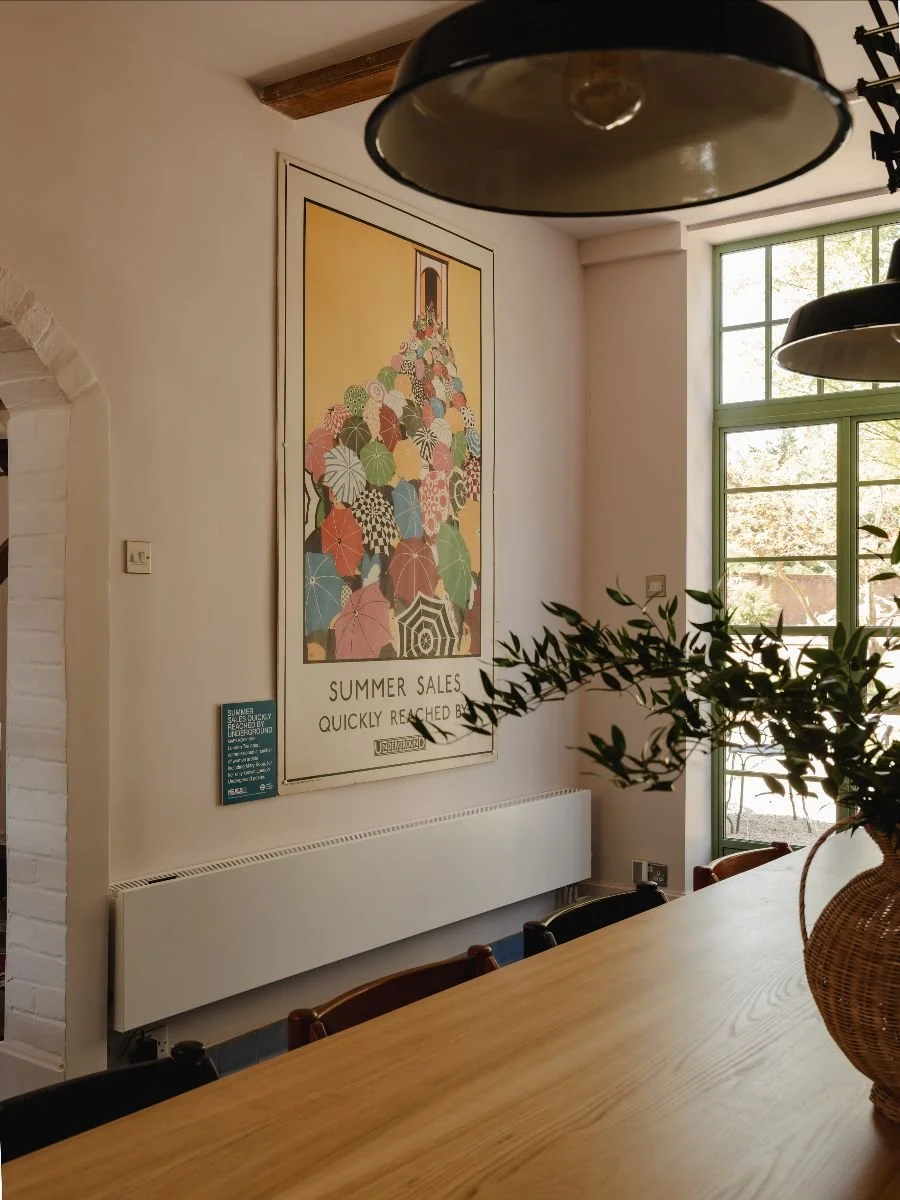
"Radiators with more surface area transfer heat more effectively into the surrounding space but this doesn't always mean you have to have larger radiators. Energy efficient designs include features like fins and convectors that increase the surface area available for heat exchange in more clever, discreet ways. Some also include an optimised heat exchanger that uses 90% less water than a standard radiator, meaning less energy is needed to heat the water and the radiators heat up faster too," says Nick.
A Design Opportunity, Not Just a Necessity
For many homeowners, the need to upgrade radiators is a chance to reconsider a part of the home that's often overlooked. Nick comments, "The radiator has been the forgotten element of interior design for too long and heat pumps have given homeowners a reason to look at them again. For years, radiators were an afterthought, but the move to low-temperature heating has opened up a whole new generation of design-led options that are as beautiful as they are efficient."
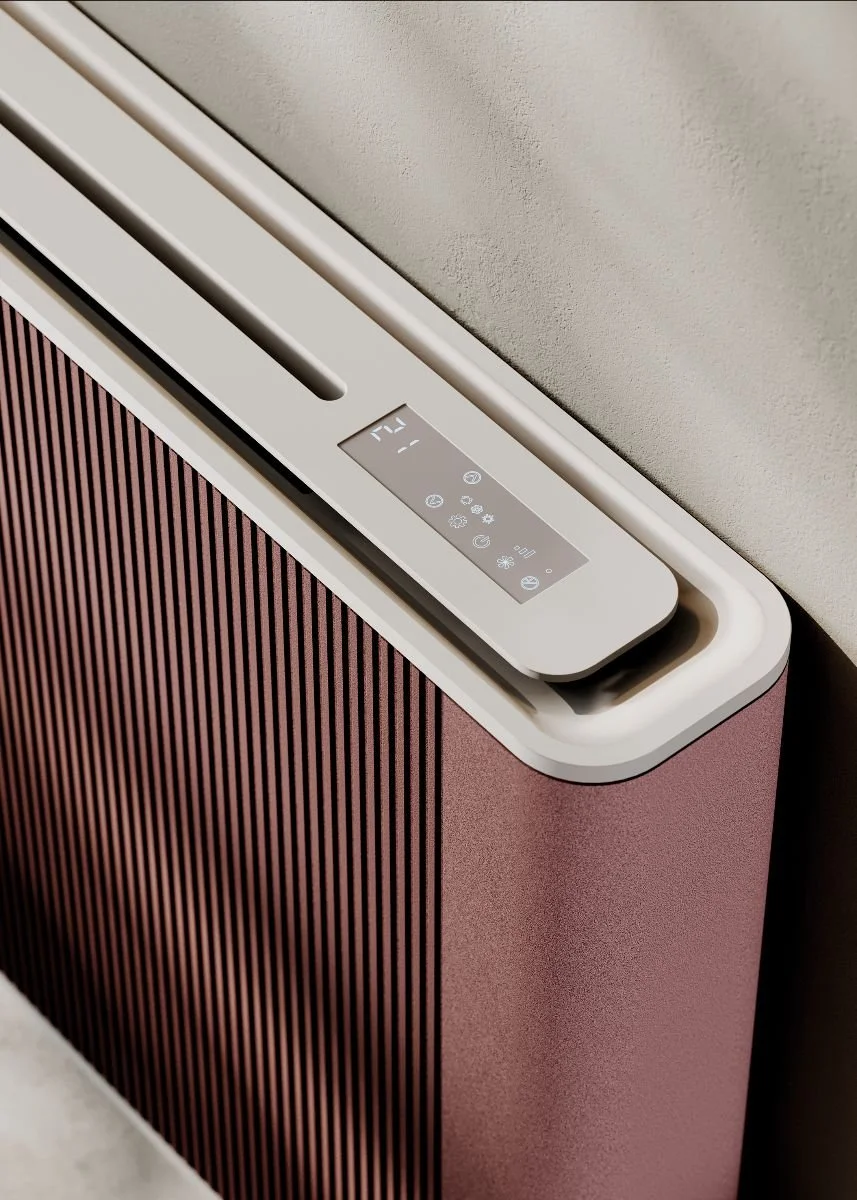
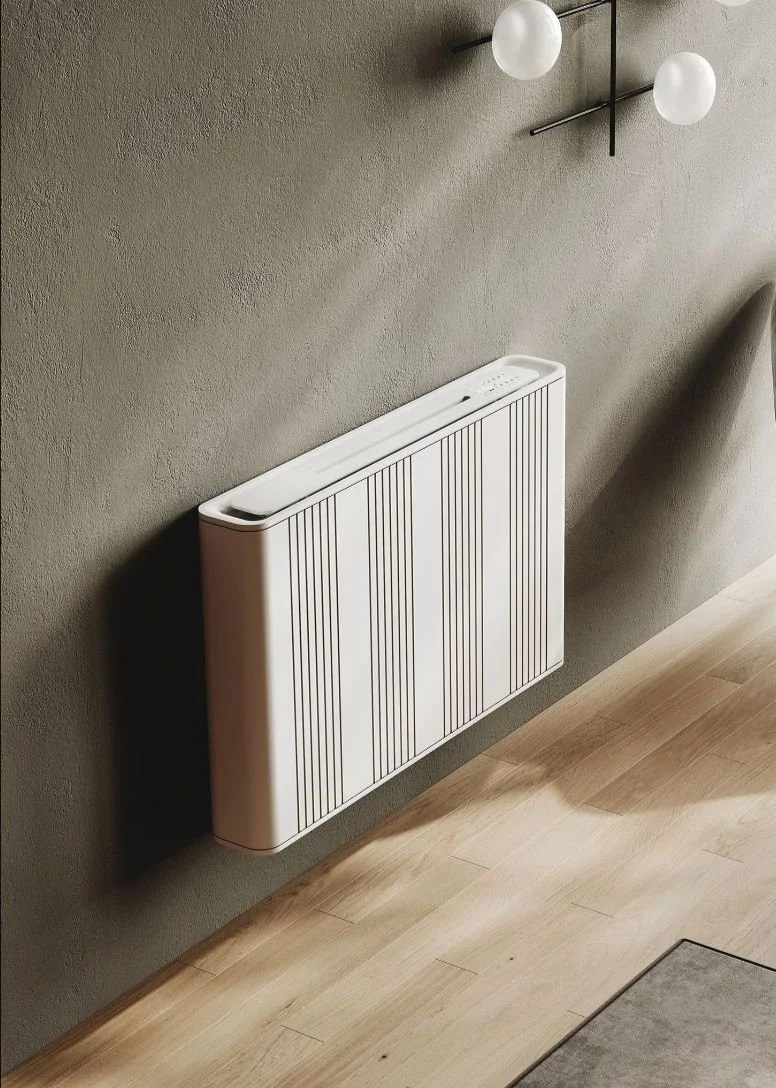
He continues, ""The Run and Seven Lines (shown above) are designed specifically for heat pump systems, with a silent fan coil inside and a refined, contemporary look outside. Crucially, both also offer cooling as well as heating so as temperatures rise in summer, they can reverse their function to bring cooler air into the home. Available in over 60 finishes, they can blend seamlessly with your existing interior or become a striking focal point in their own right.
The Sofi (shown below) is designed for those who love a more classic style. Featuring the elegant proportions of a traditional radiator, coupled with high-performance fan coil technology, it works brilliantly with a heat pump system and is the ideal choice for period homes or more classic interiors. Like the Run and Seven Lines, it also offers the added benefit of cooling in summer bringing year-round comfort from a single, beautifully designed piece."
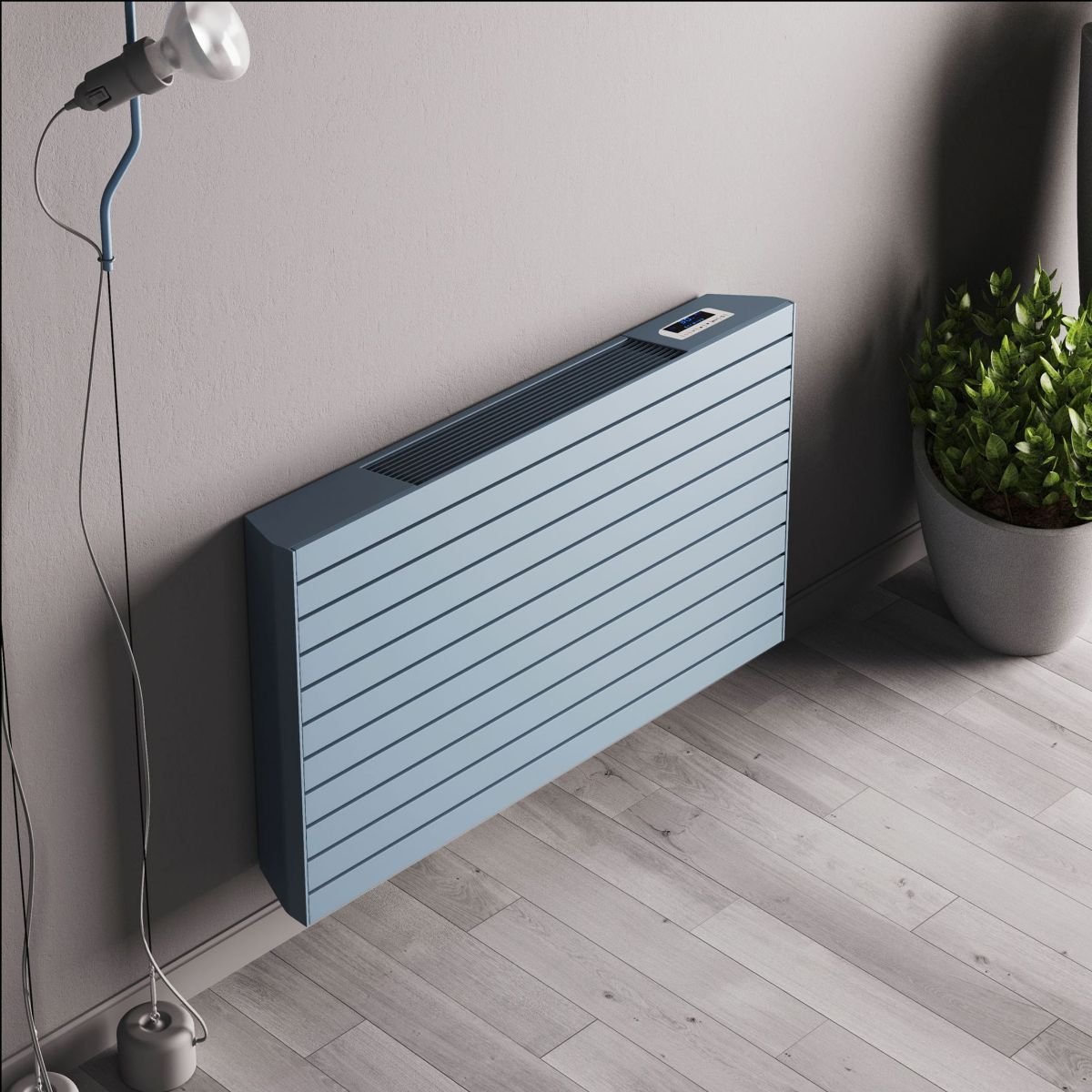
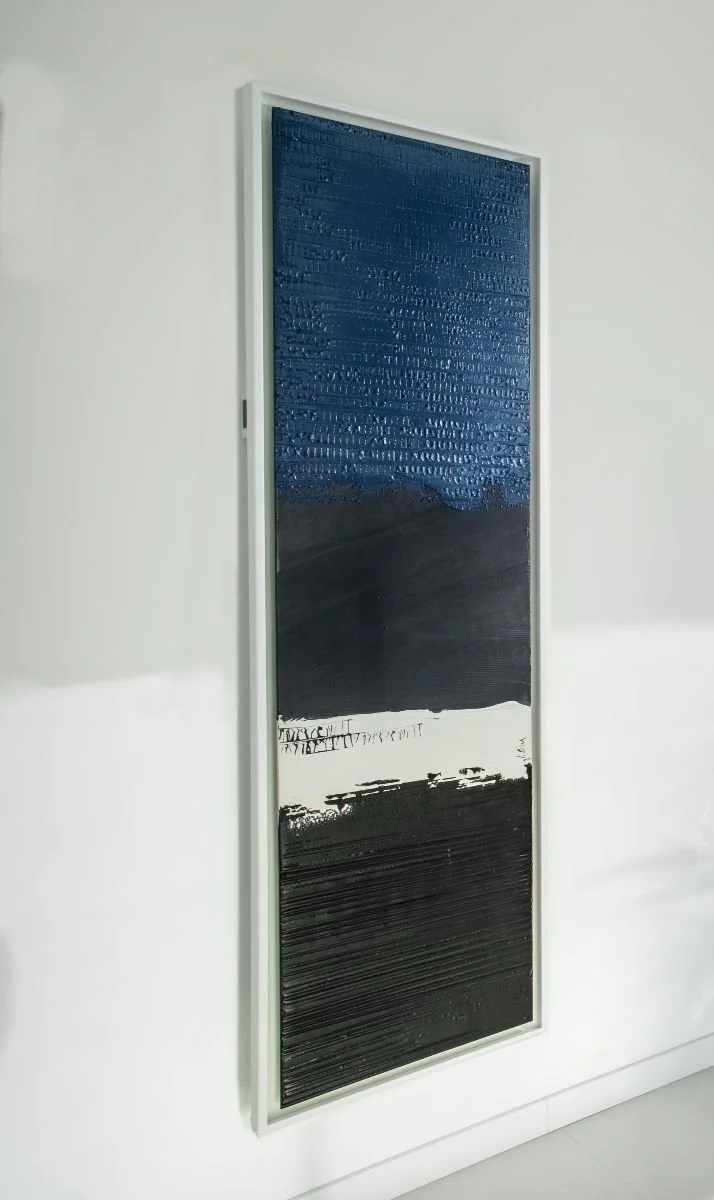
Nick continues, "At the pinnacle of this new wave of design is the Greenor, which takes things even further still. Each piece is a genuine work of art, hand-painted using natural pigments and supplied with a certificate of authenticity, yet it heats and cools with whisper-quiet operation and delivers remarkable output. These are pieces you'd choose because you love how they look, the performance is almost a bonus."
The Radiator Centre is one of the UK's leading suppliers of designer radiators, offering an extensive range of heating solutions to suit every style, space, and heating system, including a specialist edit of radiators optimised for heat pump installations.