Mental health charity launches campaign for students living with undiagnosed bipolar

In the run up to Fresher’s Week, national mental health charity, Bipolar UK, is launching their student-focused version of the ‘Maybe it’s bipolar?’ campaign to reach one of the most vulnerable groups of people living with undiagnosed bipolar -secondary and higher education students.
1 in 50 people in the UK live with bipolar, with more than half of those saying they have exhibited symptoms before the age of 21 that have significantly impacted their higher education options and experiences.
While university life is meant to be full of fun and opportunity, as well as a step towards a future career and stability, it also comes with known triggers for anyone living with bipolar, such as leaving home, lack of sleep, exam stress, lack of routine, alcohol and drug misuse and financial independence.
In addition, the average age for people to get a diagnosis of bipolar has increased from 26 to 34 over the last 30 years, resulting in many people going into higher education experiencing symptoms of bipolar but either not knowing what they are or already being misdiagnosed and receiving incorrect treatment.
The charity is now urging students who are exhibiting certain symptoms, such as difficulty sleeping, overspending, irritability and the highly stigmatised hypersexual behaviour to take the bipolar test to identify if a bipolar diagnosis and appropriate support is worth exploring.
Speaking about the campaign, Deputy CEO of Bipolar UK, Rosie Phillips, said: “An estimated 56% of people with bipolar do not have a diagnosis, and the average time it takes to get one (after reporting symptoms) is 9.5 years.
“While it might feel scary to consider that you have bipolar, the reality is that with the right support, medication and lifestyle changes, you can live a great life and pursue the career path and opportunities you’d like to.
“We want to use this opportunity to educate students and their peers about the symptoms of bipolar and signpost them towards the relevant resources and, ultimately, a diagnosis.”
People in higher education account for 6.5% of the UK population meaning over 90,000 students might be living with bipolar and prompting Bipolar UK to engage with universities and attend Fresher’s Fairs to reach more students, educating them earlier about the symptoms of the condition and reducing the diagnosis delay. Their message is clear - the earlier people access support, the brighter their future can be.
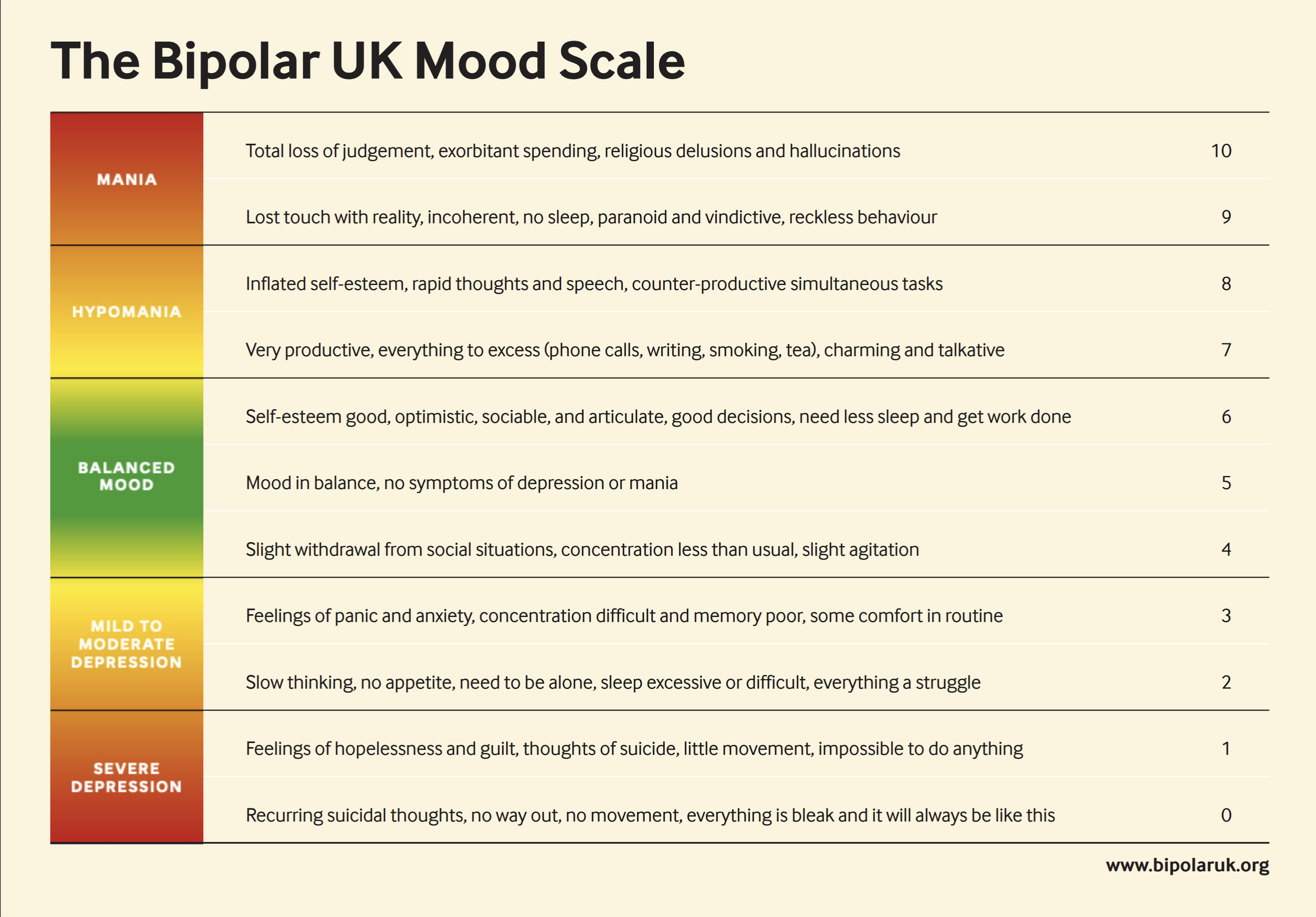
Someone with bipolar can have long or short periods of stability but can then go ‘low’ (into depression) or ‘high’ (experiencing hypomania and/or mania and psychosis).
Bipolar mood swings are more extreme than most people’s everyday experiences of feeling a bit down or happy.
Through the campaign, the charity is raising awareness of common symptoms of bipolar, including hypomania which is when people experience periods of low mood followed by periods of overspending, reduced need for sleep, risk taking and more. These can become particularly prevalent when someone is under stress or out of routine, such as when they start university.
People who recognise any of the symptoms are encouraged to take a simple online test to explore whether their experiences could be linked to bipolar. To find out more, visit Take the bipolar test | Bipolar UK